Media Round-Up: Listening to Music in 2026
Return to the MP3...
For almost a year at this point, I’ve been trying to change my relationship with music. These days music streaming is ubiquitous for understandable reasons. Platforms like Spotify, Apple Music, Tidal, etc. give users access to massive libraries of music for a small monthly fee. When you compare that to the days of old, where the only way to listen to discover music was either by stumbling upon it on the radio or sampling and buying a vinyl or CD at a record store, the wide adoption of these streaming services makes sense.
My service of choice for 8 years was Spotify, which I used from 2017 until finally cancelling my subscription in 2025. The reasons I ended up cancelling it were numerous. We could start with the reports that came out last year about one of Spotify’s co-founders, Daniel Ek, investing in an AI military technology company. There is also the fact that Spotify has one of the lowest pay rates per stream for music artists. Mainly though, I found that the way Spotify was encouraging me to engage with music was making my relationship with it shallower and less fulfilling.
For a while, the endless breadth of options of Spotify was liberating after years of purchasing MP3s on iTunes as an adolescent. Being able to just listen to multiple new albums for the price of one digital album purchase seemed like a deal too good to pass up. By 2025 though, my Spotify algorithm’s constant tidal wave of album recommendations was more numbing than anything else. I was listening to more music than ever, but my relationships with the albums I gave a spin weren’t particularly deep. I felt like I was listening to albums just because they were fed to me via algorithm rather than there being organic interest and motivation on my behalf.
I thought switching to a new platform could assuage the former two issues, but around the time I was testing out Apple Music I started reading Mood Machine: The Rise of Spotify and the Cost of the Perfect Playlist by music journalist Liz Pelly. While Pelly’s book mostly focuses on the evils of Spotify as a company, that’s because Spotify acts as a case study of the whole music streaming ecosystem. As Pelly explores in her book, music streaming contracts are built from the ground up via negotiations between the platforms and major labels to extract as much value from music artists work while paying them literal fractions of cents. No matter how many more pennies an artist receives per stream on a given platform, the model is fundamentally a huge step down in pay rates for musicians who still earn more per digital and physical albums sales to this day.
Pelly’s book also illuminated how accurate my gut feeling how about Spotify corroding my relationship with the music really was. Music streaming platforms operate on an extractive model, not just of the artists they underpay, but also of user’s attention and time. As Pelly explains, Spotify encourages certain ways of interacting with music via their algorithm’s prioritization of “vibes” focused playlists and recommendations over deeper forms of listening. If you’re curious about Pelly’s book, I highly recommend it, but I’ll also provide a link to a podcast interview with her that delves into more detail about the book and its subject matter.
Suffice to say, having my sneaking suspicions that music streaming was ruining my love of music confirmed made it very easy to finally ditch music streaming. Once my Apple Music free trial ran out, I made a full return to the lifestyle that I had occupied over a decade ago: purchasing MP3s from digital storefronts and uploading them to my iPhone via iTunes. To some extent, I had been preparing for this moment. By this point, I had already started building a collection of physical CDs and Bandcamp digital purchases. As such, the transition was ultimately not nearly as rough as it could’ve been. Still, I’d be lying if I said it was all smooth sailing either.
In this post, I want to explore the pros and cons of living an MP3 lifestyle in the year of our lord 2026. In many ways, the landscape of purchasing/obtaining MP3s is the same as it ever was, if not a tad better than the aughts and early 2010’s. Yet, there are still many inconveniences and barriers to going music streaming-free that I want to be upfront about to those interested. While I have overall enjoyed my transition back to the MP3, it is not all sunshine and rainbows.
Anyways, to make this post somewhat structured and easy to follow, let’s start with some…
Pros:
· A Deeper Relationship with Music
One of my favorite things about ditching music streaming is that I no longer feel the constant pressure of algorithms to try out new music. Instead, I take things at my own pace. I still keep track of new releases, but rather than try out everything that remotely catches my eye, I’m more selective. The result is that when I purchase an album, I feel much more connected to it. Rather than feeling like I need to move on to the next new thing, I’m able to slow down and really take my time with a record and develop a relationship with it. This is my favorite thing to do since I find that most of my favorite albums are ones I have to give a couple of deep listens to.
Music streaming platforms, and streaming platforms in general really, are designed to keep a user on platform for as long as possible. That’s how they generate the most revenue. This is why Spotify’s algorithm prioritizes tracks that act as good background music rather than genres or artists whose work is not easily accessible on first listen. These platforms are designed to maximize their grip on our attention span or at least take up enough attention to comfortably fade into the background as “second screen content.”
By comparison, purchasing albums is a much more personal and active process. Much is often made of the number of “choices” available on Spotify, but I’d argue that the overwhelming quantity of choices available is not necessarily a good thing. Sometimes, making a more personal, individual choice on the music you want to listen to is much more impactful than an algorithm tossing a new handful of albums your way. One requires no personal thought or effort on the part of the user, the other requires active thought and participation from the person seeking out the record. It’s the difference between the friction free tech design of our modern age and the friction-full and textured nature of analog.
To clarify, I never blind buy music! I do not recommend blind buying records. Luckily, there are plenty of ways to try them out for free, even without access to a music streaming service. The first and most accessible option is YouTube. There will be ads on the songs, of course, but these are still possible to get around depending on your browser of choice and a good ad blocker. Before that though, I recommend checking out if the album is available on Bandcamp. Bandcamp is a great platform for trying out albums since most albums on Bandcamp allow you a couple of free listens before prompting you to purchase them. The result is that you can give a record two to three full listens before choosing to spend your cash. Music reviews, whether via professional outlets like Pitchfork or Stereogum or old-fashioned blogs and newsletters, are also a good way to gauge the quality of a record before trying it out or purchasing it.
· The Opportunity to Further De-Phone Your Life
Music streaming platforms are all apps that you typically download onto your phone. Purchasing your own MP3 files though gives you the freedom to move your music away from your phone and onto an MP3 player. There are still companies manufacturing new ones today with various levels of technical capabilities. For me personally, nothing beats the classics though.
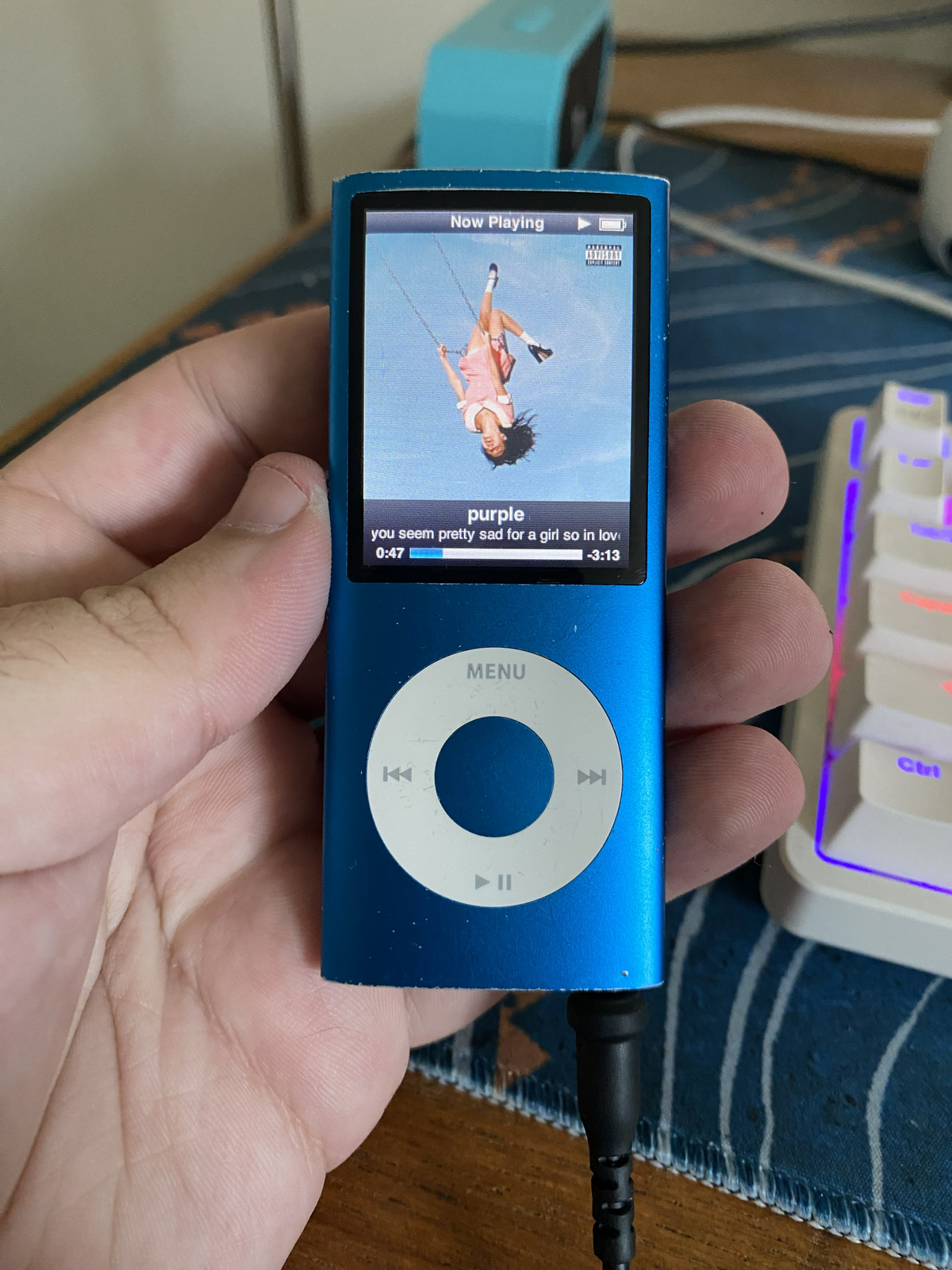
Recently, I’ve been trying to improve my horrendous sleep hygiene by not having my phone in my bedroom at least an hour before I go to sleep. However, since I generally wind down in the evening by listening to music, this posed somewhat of a problem. My entire MP3 library is on my phone after all. So, recently I ended up purchasing a secondhand iPod Nano (shoutout to my roommate for finding it for 50 dollars on Facebook Marketplace).
The main reasons I went with an iPod over a new model of MP3 player are 1) my entire MP3 library is already in iTunes since I have an iPhone and 2) it’s a very simple, one-use device. Some modern MP3 players allow you to download apps, but I just wanted something that played MP3s and had a 3.5mm headphone jack. That’s it! The iPod Nano perfectly fulfills those two needs (and has a shockingly good battery life considering its age). Again though, if you’re not interested in being the Apple ecosystem, there are many other companies out there creating MP3 players of varying levels of low and high tech.
· Sharing MP3s with Friends
What tech companies don’t want you to realize is that MP3s are very easy to share with other people. Unlike other digital files like video games or e-books, MP3s are rarely subject to DRM restrictions. iTunes, Bandcamp, Qobuz, and even Amazon’s digital MP3 storefront provide users with DRM free files upon purchasing a copy of an album or song. This means that you can copy and share those MP3s to your heart’s content!
It’s understandable why tech companies seek to obfuscate this information, considering that ease of file sharing is precisely what created a boom in online music piracy during the 2000’s. Streaming services like Spotify initially started out in that piracy space before transitioning into legal operations in an attempt to provide “solutions” to the issue of digital piracy. Now, to obfuscate the knowledge of the past, streaming services offer you family and duo plans. However, there is nothing quite like purchasing an album for 10 dollars and then passing an MP3 loaded flash drive to your friends and family under the table.
Of course, I am not condoning such illegal behavior! If you are excited for a record, please purchase it and support the artist behind it. I’m just saying that these things are possible.
Cons:
· Cost $$$
The first objection people are going to have to the idea of abandoning music streaming is going to be the cost factor. To be frank, this is sort of unavoidable. Yes, there are certainly ways to live an MP3 lifestyle for free out on the open seas. If one’s impetus for leaving behind platforms like Spotify is their poor payouts for artists though, then going from at least giving artists some money to straight up piracy is hypocritical. Legally purchasing MP3s is undeniably a more expensive proposition for most people, particularly younger generations who are less likely to have a backlog of physical CDs or digital purchases to kick start a personal music library. The start up costs can be a real barrier for people who are lower income and struggling to make ends meet. As much as I would love to advocate for ditching music streaming services, this issue is not one that is easily dismissed.
There are some ways to mitigate the start up costs. As I mentioned before, I never blind buy records and use Bandcamp’s free streaming and YouTube to try albums before buying them outright. Additionally, many public libraries are a great place for people to start building up their personal MP3 collections. This is going to vary from library to library, but at least where I live in the Pacific Northwest of the United States, most public libraries have large CD collections. As such, a patron can check out dozens of CDs, rip the MP3s off them via a disc drive, and return them to the library without spending a dime. One may occasionally run into CDs that are too scratched to read or limitations in terms of what your library has to offer. Still, overall, the library can be a cost-effective solution to the barriers around starting a personal MP3 collection.
Once you have built up a solid enough foundation of a personal library, the cost barrier then becomes a more minor issue depending on your rate of music consumption. To be clear, this is going to vary from listener to listener. For example, if you listen to every new release that comes out in a specific genre, the cost barrier is still going to be very high. You’ll likely have to reduce your consumption of music if you want to make this transition. However, for me personally, the cost difference between a year of Spotify subscription payments and purchasing individual albums is not that huge. I generally only listen to a handful of new albums year. With digital releases and CDs ranging anywhere from 10 to 18 dollars, I’m ultimately not spending a huge amount more than I would on a 12.99 a month Spotify subscription every year.
Again though, this is highly variable. Some people looking to start their own music library might want to set up Plex servers or purchase devices that allow them to listen to lossless files. In these cases, costs are going to skyrocket more. Still, I’d argue that if you are fine with the bit rate quality of MP3s, which you probably are if you are using music streaming services let’s be real, then there are relatively cheap options one can engage with here.
Plus, I think part of the problem with music streaming services is that they have turned music from an art form worthy of compensation into something we expect to be dirt cheap and instantly accessible. We don’t treat books, movies, or art galleries this way, so why is music an exception here? Ultimately though, if you find music streaming a more affordable option for your personal financial situation, I don’t blame you! Switching over to not using music streaming platforms at the exact same time I’ve started grad school has been financially awkward at the best of times.
· File Management & the Horrors of iTunes on PC
To start with the more universal of these two topics, one aspect of living an MP3 lifestyle that most people will not think about beforehand is the file management aspect. Music streaming platforms make millions of songs instantly accessible to us and in a way that requires almost no file management on the user end. Sure, you can download songs and albums to your “library” or whatever, but that’s nothing compared to maintaining one’s personal MP3 collection.
When I started out my own personal digital music collection, I didn’t think much about file management. However, once I had to completely reset my PC, I was quickly confronted with the reality that not having a clear file structure or system for my MP3 files was a horrible idea. My albums were located all over the place in my File History back up on my external hard drive, meaning I had to manually search at points for certain albums and songs (and if you’ve ever searched a large external hard drive on File Explorer, you know how tedious that can be). So last summer, before I made a full transition to relying exclusively on my own MP3 collection, I went through all the albums and artists I had in iTunes and made concrete folders and subfolders for them. Additionally, I made a back up on all my MP3s that I could easily copy and paste onto a new computer if necessary. This ended up being quite useful later on since I ended up getting rid of my desktop and moving everything over to my new laptop later that year.
For some people who hate organization and file management projects, this may sound nightmarish. Frankly, even as someone who can enjoy organization, I found it a little tedious at times myself. Still, making sure you have a good organization system and backups of your files is an unfortunate necessity for this kind of music streaming free lifestyle. Otherwise, all your MP3s could get wiped out with a single hard drive failure. This may seem fine for albums you can easily redownload from digital storefronts like Bandcamp and Qobuz, but these platforms are not archives and albums can be removed on a whim due to rights issues or the artist taking their music down from the platform in question. As such, precaution is key to avoid any potential tragedies later down the line. Society often perceives digital files as lasting forever, but digital files still exist in the physical realm on hard drives and other storage devices and are subject to unique digital forms of decay like file corruption and viruses.
Beyond this file management aspect though, there is also the question of what audio player/music application you want to use. For Android users, there are thankfully several free options available that provide easy customization of files like Foobar2000 and MusicBee. For iPhone users though, the world is unfortunately much crueler, particularly if you dare to use a PC for your personal computing needs.
As someone who currently uses an iPod Nano and iPhone for MP3 listening, but does not own a Mac, I am stuck with using iTunes for PC as my music management application. Now, for all I know the Mac version for iTunes is beautiful and lovely, but on PC the app is a bit arcane and frustrating. There are some positives: it’s very good for ripping MP3s off CDs or burning them onto blank discs. Additionally, if you have an Apple Account, iTunes is generally pretty good at searching its database for album metadata, including album art.
Still, the drawbacks are often quite frustrating. For example, there’s no way to just move MP3s directly onto an Apple device (or at least none without some risk involved). Instead, you have to sync your device with your iTunes library, which can be a messy process. For me, it’s particularly nightmarish. Some of my MP3s were originally purchased on iTunes way back in the early 2010s and when they are synced to my phone cause duplicates to appear. As a result, there are some albums I have to go through and manually delete duplicate songs from on my phone. Why this happens is somewhat unclear to me. I assume it has something to do with my Apple account remembering the prior purchases, but maybe not recognizing the files being uploaded as being connected to said purchase. It doesn’t even happen every time I sync my phone, making the issue all the more mysterious.
Additionally, when transferring MP3s from one computer to another, sometimes album art can be lost or disappear for seemingly no reason. iTunes also does not allow one to match WAV or FLAC files with album metadata, only MP3s. So, if you’re a true stickler for audio quality, you’ll want to avoid iTunes and Apple devices for those reasons alone. Other annoying things about iTunes for PC include: the app not upping its resolution if you are using dual monitors, frequent freezes and crashes, and constant updates that fix none of the issues you may have with the application!
· Headphone Struggles
This one more applies to people looking to go low tech with an iPod or MP3 player, but at the same time I think it is also a struggle that all modern music listeners experience. Many older MP3 devices do not have Bluetooth compatibility, which isn’t shocking, but can be an issue considering how hard tech has pivoted toward Bluetooth headphones in the past decade. If you are someone who loves your Bluetooth earbuds, you might just want to stick with your phone for your new MP3 lifestyle. Plus, if you really want to use 3.5mm headphones with your phone you can buy adapters and such.
However, isn’t this problem a completely artificial one created by the whims of tech companies like Apple? After all, it was Apple’s choice to remove the 3.5mm headphone jack from the iPhone 7 back in 2017 that kicked off this whole trend toward Bluetooth headphones. At the time, Apple claimed a litany of reasons for making this change: removing the headphone jack would allow more room for other chips, create better water resistance, and Lightning connectors would provide better audio quality than 3.5mm to name a few of the major claims. Unfortunately for them, these claims have all proven to be rather disingenuous over time. As covered by the audio/headphone specialty website Headphonesty, many of Apple’s claims at the time turned out to be false and were merely excuses to justify further entrenching iPhone users in their ecosystem with the up and comping AirPods. Or hell, even if you don’t purchase AirPods, you’re going to have to purchase an adapter considering they no longer pre-package those with newer iPhones.
But if you don’t trust the “biased” headphone specialty journalist outlet, then take it from the shills at Apple Insider, who basically admit that Apple removed the jack to sell AirPods, but think that’s really cool actually! I mean everyone loves their AirPods. So what if Bluetooth provides objectively worse quality audio than 3.5mm? It’s what the people want!
In case my sarcasm isn’t clear, I think the removal of the 3.5mm headphone jack is a great example of how tech companies have eroded people’s relationship with choice. Tech companies like Apple get sold as focusing on “user experience” while simultaneously removing options for users. Yes, you can buy their 3.5mm headphone adapters, but these adapters are flimsy, easy to lose due to their small size, and also prevent users from charging their phone while listening to music. All these minor inconveniences guide people in the direction Apple wants, i.e. purchasing Bluetooth headphones (hopefully AirPods) and becoming further entrenched in their tech ecosystem due to the inconveniences that come with venturing outside its borders.
This sort of is emblematic of all the cons of owning and relying on a personal MP3 library in the year of 2026. It is still very much possible, but since modern tech companies like Apple want you to purchase an Apple Music subscription instead, the management tech and options available are rather limited, old, and clunky to use. User choice has been eroded in order to line the pockets of tech oligarchs whose extractive pay models exploit music artists and users alike. It’s a classic example of Corey Doctorow’s concept of enshittification: offer users a service or platform with a good offer and then slowly degrade that service until the price of leaving it becomes too costly for most people.
Still, while there are inconveniences that come with low tech MP3 players and purchasing MP3s in 2026, I think the barriers of entry are just low enough that leaving music streaming is not an impossible task. The option to free ourselves from the shackles of these tech corporations is there, so long as we are willing to accept precarity and work at it. Digital MP3 sales were a predominant aspect of business in the music industry only a little over a decade ago at this point. Hell, CDs and vinyl have never gone away! Ways to support music artists and develop deep personal collections with music are alive and well. If any of this sounds appealing or feasible for you, I highly encourage you take first steps. Maybe purchase some albums you love on CD at your local record shop or pre-order an upcoming record you are going to listen to day one on Bandcamp or iTunes. Your favorite music artists will appreciate it!
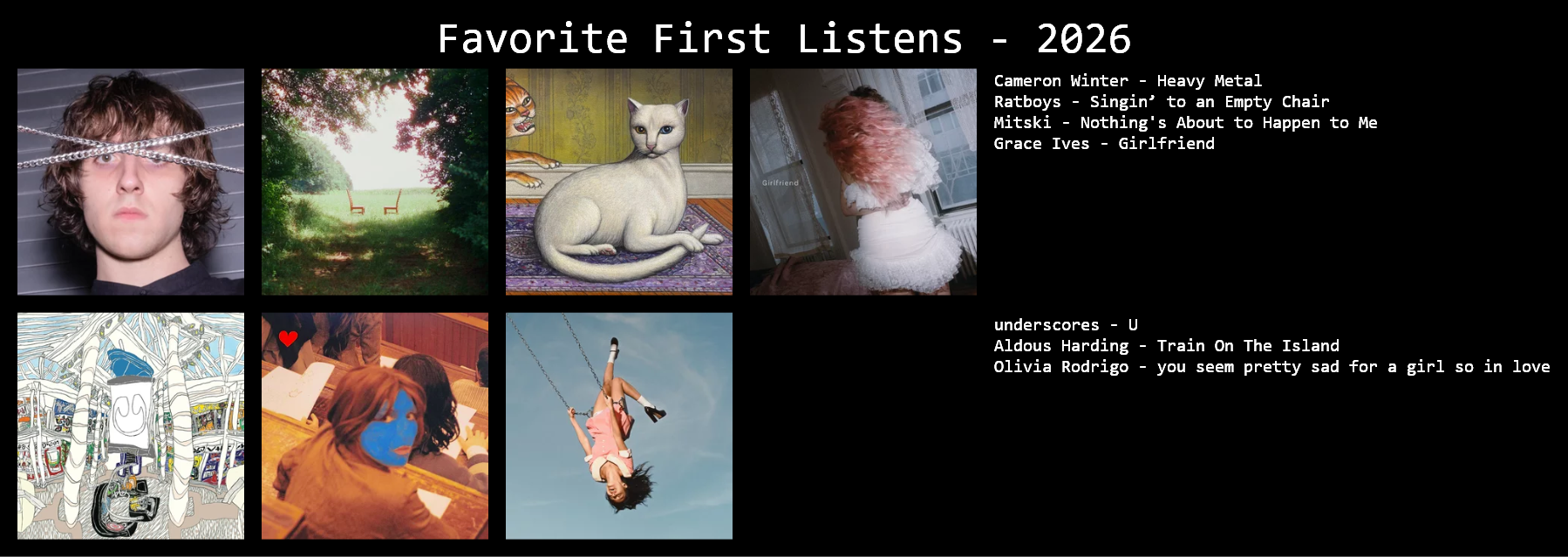
To close out this post, it wouldn’t be a Media Round-Up if I didn’t write about some of the music I’ve been listening to this year. At this point, we are over halfway through 2026 and I’d say my rate of listening to new records has slowed down a lot since leaving music streaming. This is mostly for financial reasons, but also because I’m really trying to take my time with the music I listen to. As such, the number of favorite first listens I’ve had this year is lower than it was in 2025 or 2024, but I think I have deeper relationships with the albums in question as a result. Since I might cover some of these again in a year end reflection post, I’m going to limit myself to talking about my favorite first listens from January to June of 2026 in the order I first listened to them. Additionally, I’ll try to contain my thoughts to two paragraphs for each album.
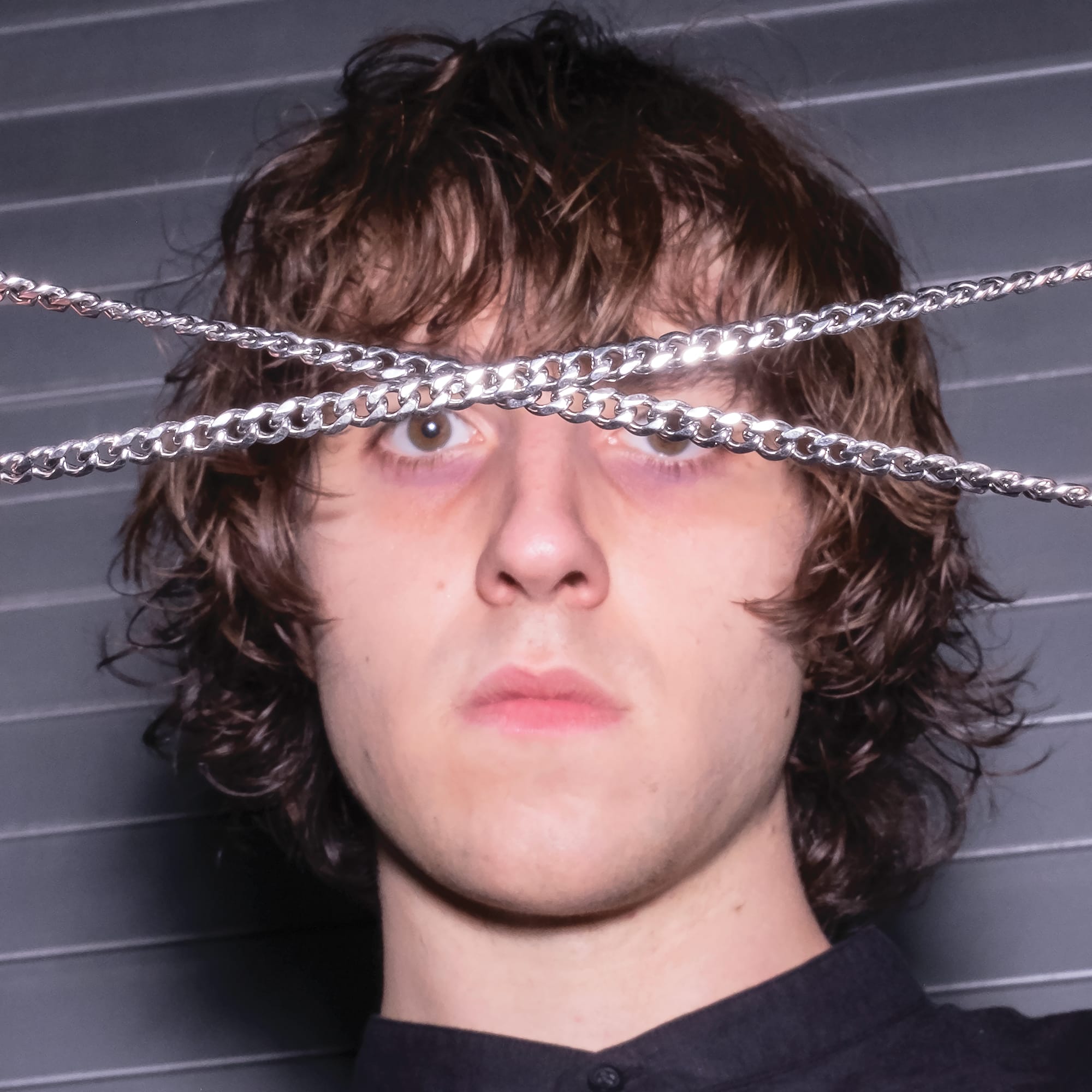
Heavy Metal | Cameron Winter:
Late last year, I was pulled into the Geese hype cycle with their 2025 record Getting Killed. I had told myself I wasn’t interested in checking it out, but after spinning that record dozens of times during the transition between 2025 and 2026, I came to accept that maybe the critics and fans were right about this band and its frontman Cameron Winter. As such, it isn’t surprising that I quickly became a fan of Winter’s solo record, Heavy Metal, after giving it a try in early January.
Like Getting Killed, I’d say this is a record that requires a bit of adjustment to fully get into it. If you’re like me, Winter’s squawking, emotive voice can be a little jarring at first combined with his direct yet somehow simultaneously abstract lyrics. Once you do adjust to those factors though, you’ll find a record that beautifully explores the psyches of its human subjects trapped in the throes of soaring love on songs like “Love Takes Miles” and emotional mistreatment on the layered and devastating “$0”. All this is matched by dense, off kilter production that melds acoustic and piano balladry with Winter’s unrestrained vocal performances and strange production touches.
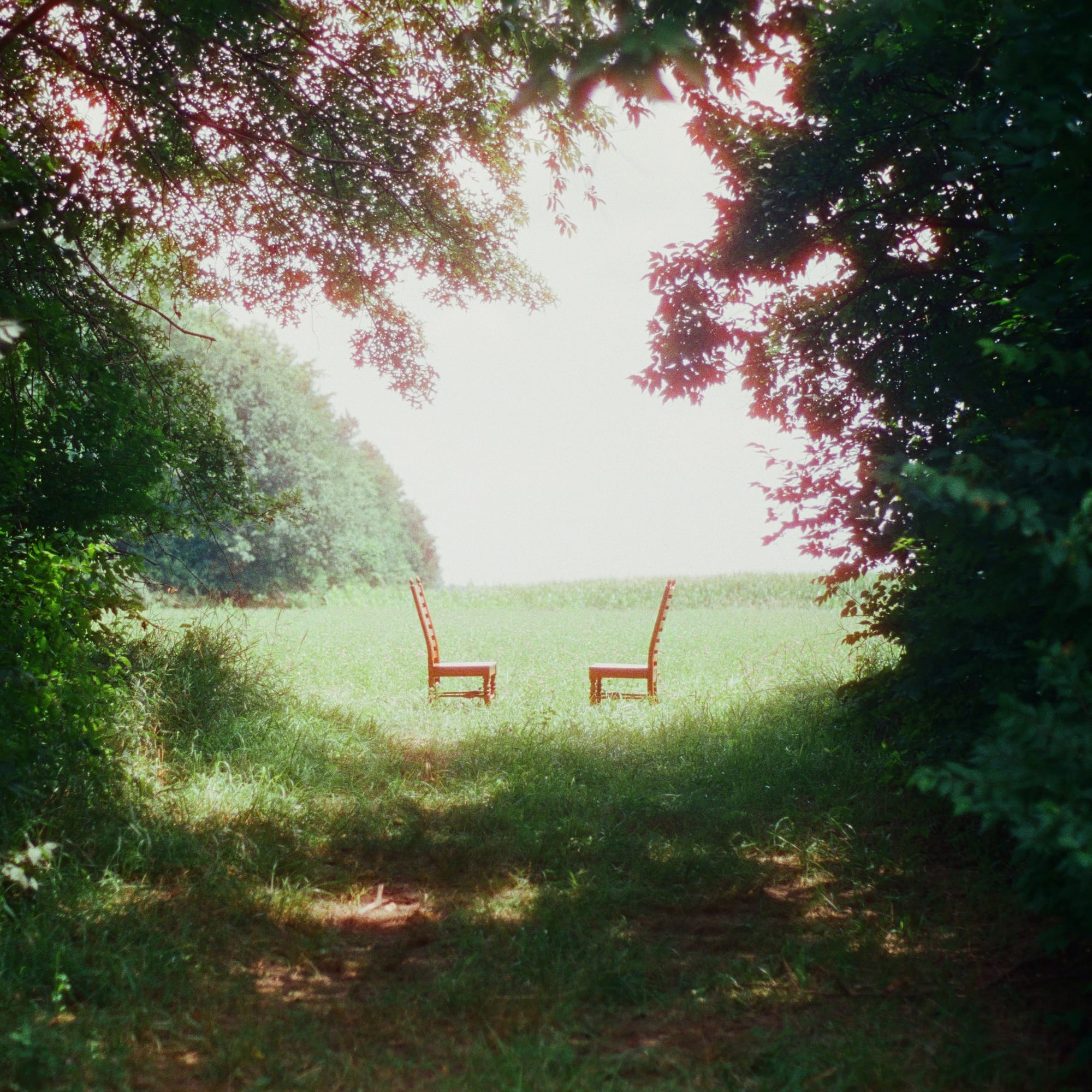
Singin’ to an Empty Chair | Ratboys
After falling in love with Ratboys’ previous record, The Window, I was quite excited for this new release that would see them re-teaming with that album’s producer, Chris Walla. Walla is one of the original members of Death Cab for Cutie and responsible for producing much of their most acclaimed work (including my favorite record of theirs Transatlanticism). I love Ratboys work with him as it combines the band’s nervy, country twinged indie rock with Walla’s pension for atmospheric melancholy and the occasional soaring chorus. Singin’ to an Empty Chair continues many of these strengths while exploring new themes around mental health, family trauma, and trying to make decisions in a crumbling, anxiety-inducing world.
It’s a record that lives in the shadow of our current dystopian moment in the United States, but for all its complicated subject matter Ratboys still manage to balance the more sad, slow tracks with their brand of punk-inflected bangers like “Anywhere.” The guitar work is great, but the star of the show for me remains lead vocalist Julia Steiner whose twangy voice reminds me of Jenny Lewis. Really, my only major critique of this record is that some of the tracks in their emotive sprawl can drag on a touch too long. Then again, without that sprawl we wouldn’t get tracks like the winding, constantly energizing “Light Night Mountains All That.”
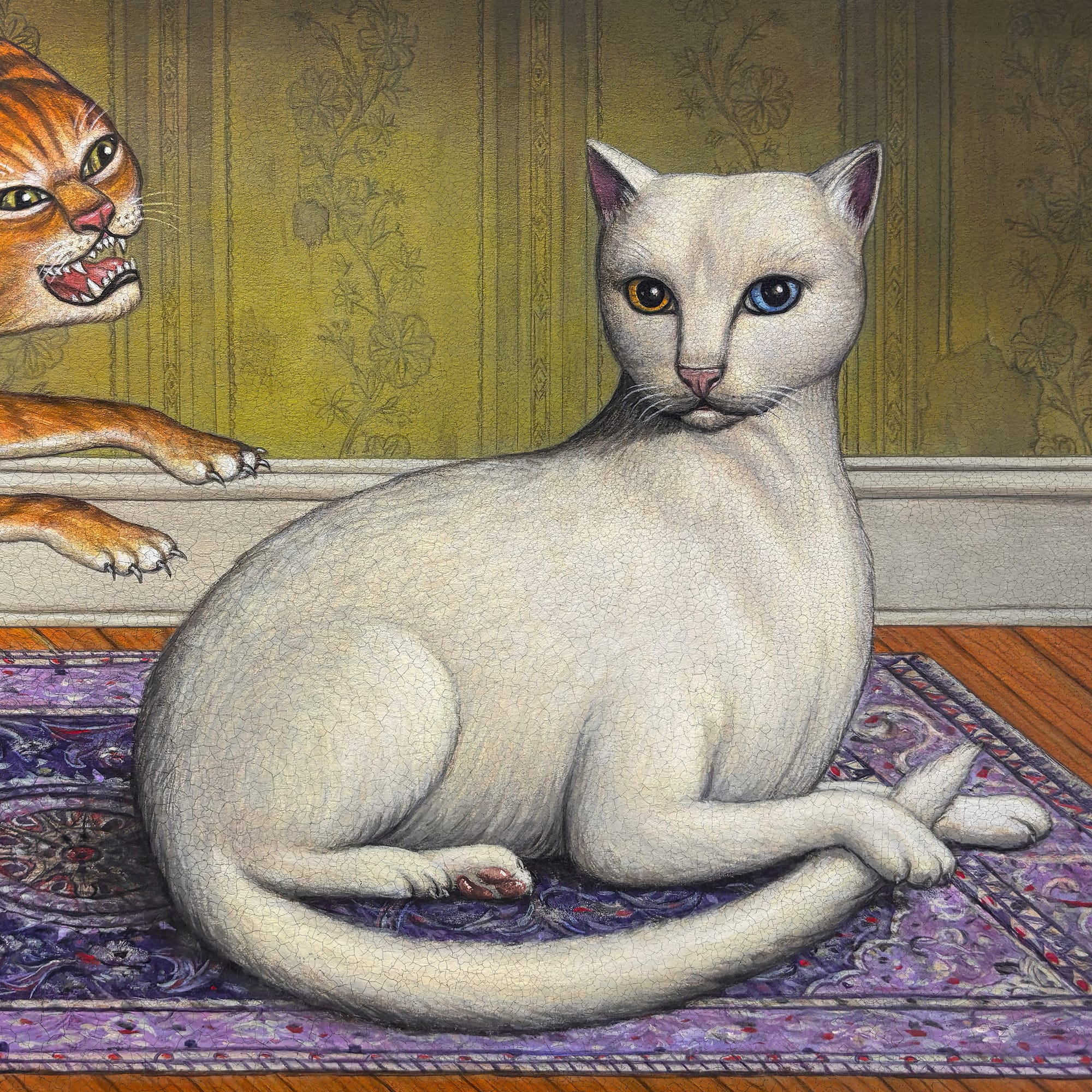
Nothing’s About to Happen to Me | Mitski
Mitski is one of my favorite working musicians. Every time she releases a new record, I’m bound to be a mark for it. Still, as much as I love her, I would not say that this latest release, Nothing’s About to Happen to Me, is one of her stronger albums. In some ways, the record is a mix of styles she’s already played with, combining the fuzzed-out distortion of records like Puberty 2 with the orchestral and choral work present on this album’s predecessor, The Land is Inhospitable and So Are We. Alas, even Mitski retreading old ground is still bound to produce an ample number of gems to listen to.
As usual, Mitski manages to craft a concise project that in its visuals, lyrics, and sonics capture the isolated and fractured perspective of a woman on the edge. The loose conceptual framework of a hoarder living her out days in her house, pestered by stray cats, lost love, and the overstimulating outside world again feels like it is living in the shadow of our current dystopian moment; most bluntly on the album’s lead single “Where’s My Phone?” Still, while some of the tracks might lack subtlety, others like “Dead Woman,” “I’ll Change For You,” and “Lightning” are new Mitski classics that engage in her strengths of painting detailed, evocative character portraits. Of those three, “I’ll Change For You” is the clear highlight, transforming the orchestral instrumentation of the album into a looser more lounge-tinted form that I wish she’d explored more throughout the rest of the record.
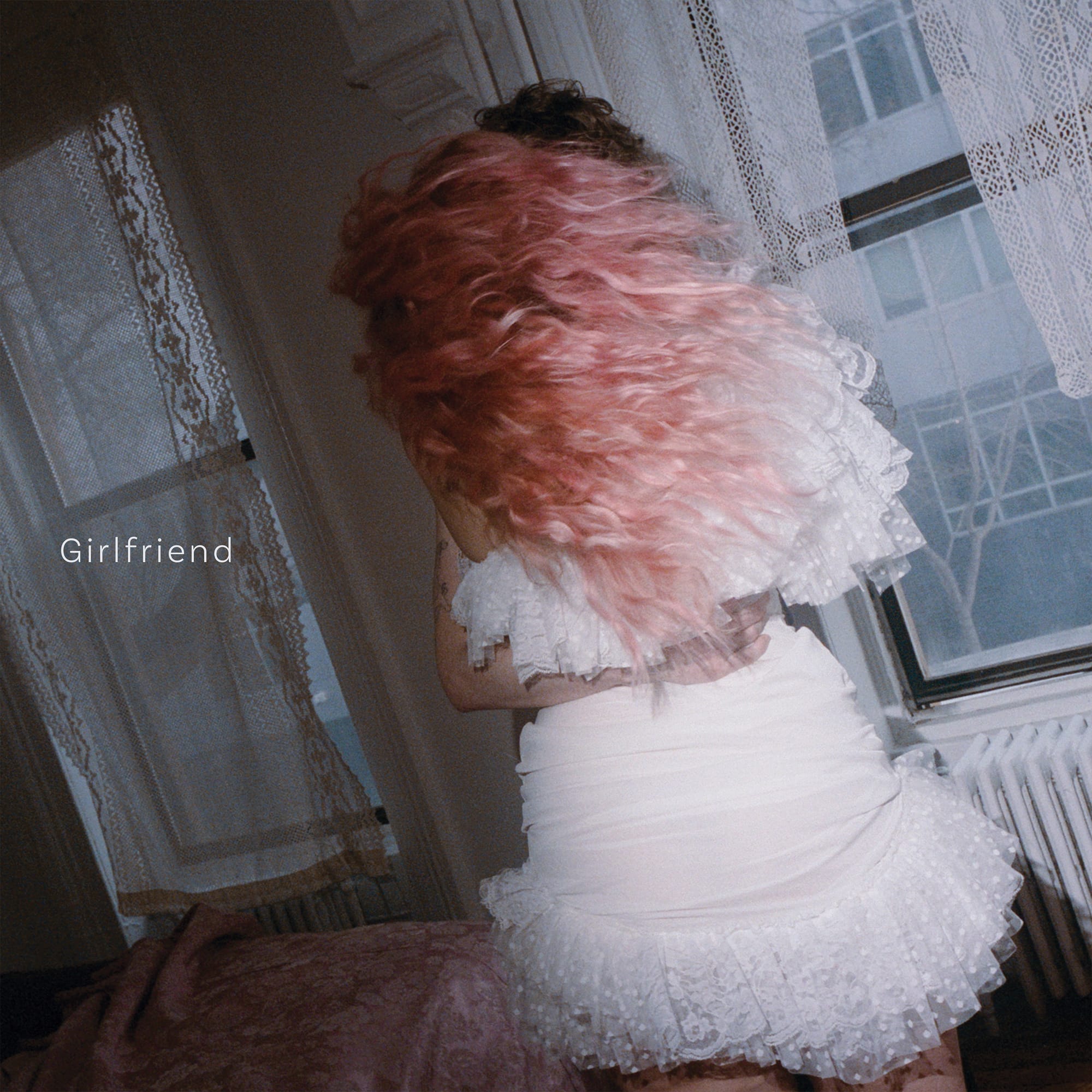
Girlfriend | Grace Ives
We’re still only halfway through the year, but currently this record is the front-runner for my favorite of the year. I had no clue who Grace Ives was before this album received critical acclaim, but I’m glad I discovered her! This is a classic example of a record that initially I wasn’t fully on board with but really opens up on repeated listens. A lot of that can be attributed to the excellent production work of Ives and one of her collaborating producers for this record, Ariel Rechtshaid. Rechtshaid has been one of my favorite pop producers of the past decade, working on stellar records for indie-pop heavy hitters like Haim and Vampire Weekend. With this collaboration, Ives and him create a pop album that is simple on the surface but quite layered in terms of its production and not afraid to go for sounds that verge on the discordant. This is most present on tracks like “Stupid Bitches,” the album closer and standout single of the record, where the synths, backing vocals, and percussion kind of feel like they are hitting your brain back and forth with a tennis racket (complementary) as they pass from one headphone to the other.
Ives’ lyricism is similarly simple on the surface, but increasingly sharp and pointed on further examination. Crafted in the aftermath of going sober, Ives’ bluntly examines her past failings and addiction on songs like “Drink Up” and “What If.” Additionally, she dives into topics of toxic codependency and the need for romantic connection on songs like “My Man” and “Dance With Me.” The portrait Ives paints of herself is a messy one, but all the more compelling in its clear-eyed examination. By the end of the record, a nice thematic arc has occurred starting where Ives/the narrator has confronted their problems and come out the other side a more confident, stable person. I’ve seen some people online compare the record to Lorde’s Melodrama with its reliance on glittery synths and focus on messy internal feelings, and while I’m not sure if Ives quite reaches those lofty highs, this record at its best is a similarly compelling and endlessly listenable pop confection.
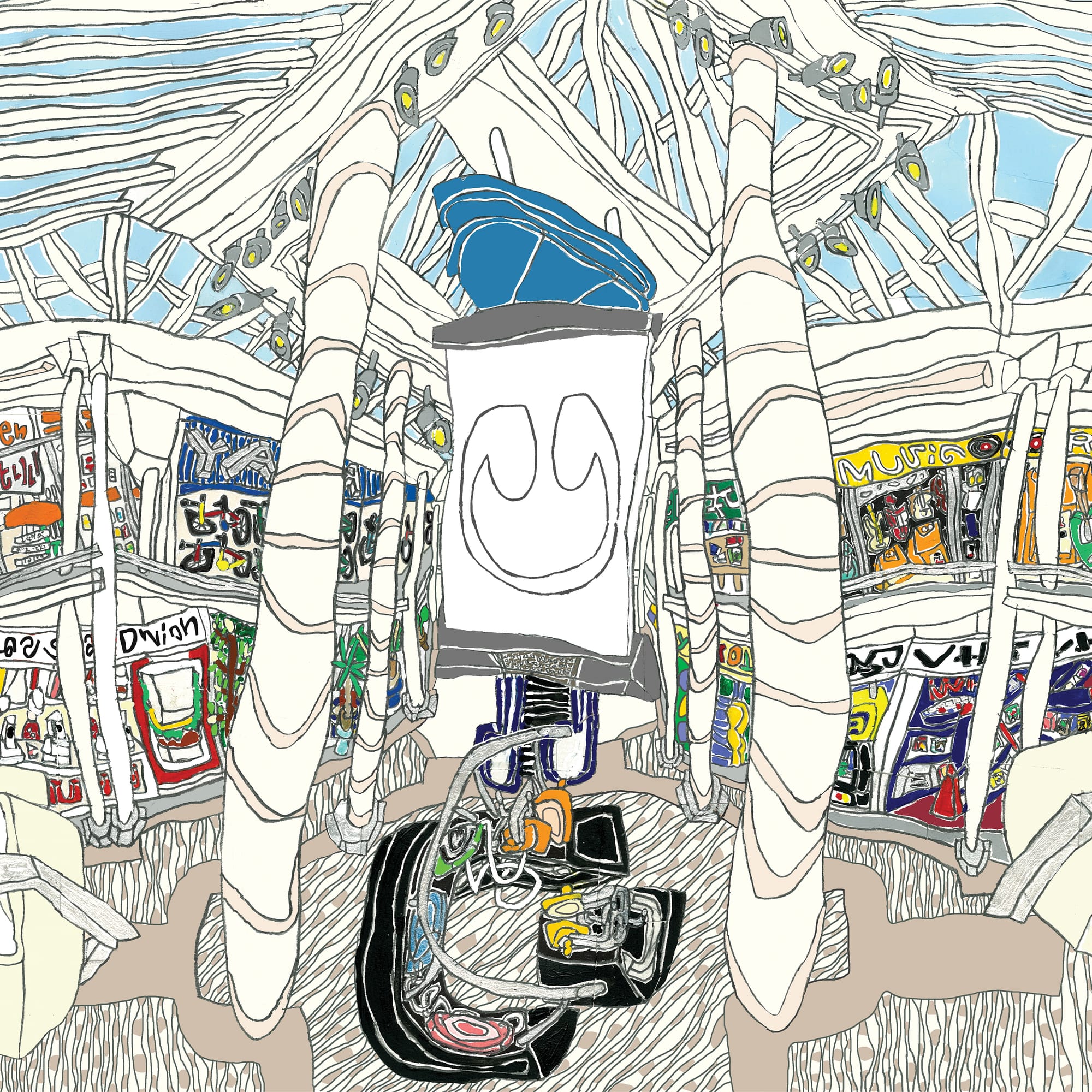
U | underscores
Speaking of pop confections, underscores is another artist who I knew nothing about until her latest record started making waves. This one in particular became a big hit with my trans friends and it’s easy to understand why. It’s not just because underscores herself is a trans artist--though that certainly is a factor--U is a record clearly playing in the hyperpop space. Hyperpop has a long history of being pioneered by trans musicians like Sophie who were willing to push the boundaries of pop to its most synthetic, abrasive, and by extension exhilarating extremes. underscores very much plays in that same space. U is a record filled with loud, artificial synths, thumping basslines, and EDM breaks that confront the listener and beg them to get up and dance.
More than being a production triumph though, underscores also creates a strong thematic core for the record as she lyrically chronicles a newly famous artist as she enters a romantic relationship. The album swings between erotic bangers like “Tell Me (U Want It)” and “Do It” and more desperate pleas for connection and equilibrium like “The Peace” and my personal favorite track “Lovefield.” The result is an album exploring the highs and lows of both celebrity and romantic partnership. At a tight 9 tracks, it’s hard to deny the verve of underscores work here. She’s crafted a compellingly danceable, layered, and wonderfully left of field pop record.
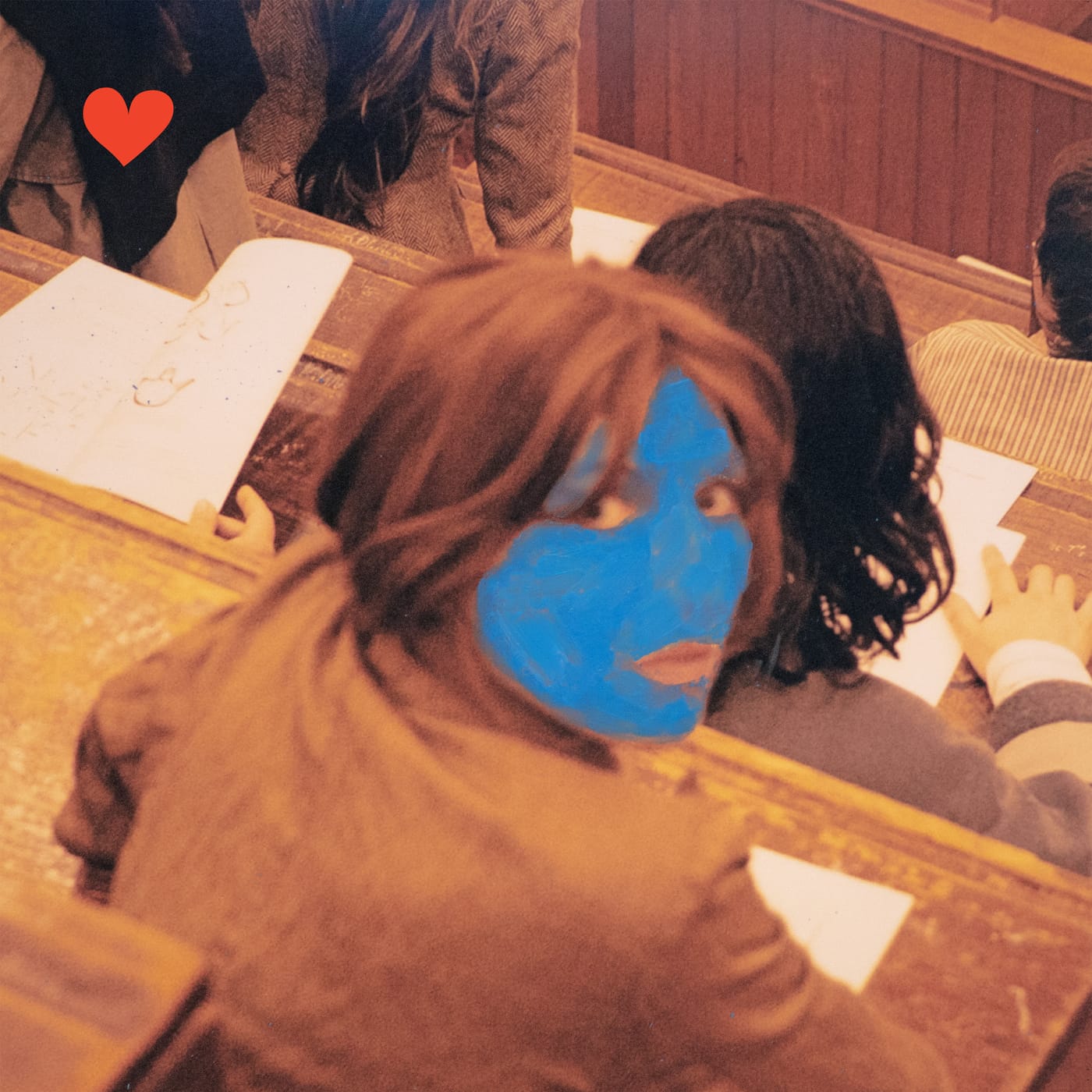
Train on the Island | Aldous Harding
In a continuous trend alongside the past two records, I’m not super familiar with Aldous Harding’s back catalog of work. As such, part of me wonders if maybe I’m missing some key that would help me understand this album. At the same time though, this record’s quirky, somewhat obfuscated and mysterious lyrics are a key part of what has made me come back to it over and over again. Aldous Harding is operating in clear singer-songwriter territory with the production work’s focus on acoustic guitars and intimate vocals. Yet, Harding is not content to merely weave a pleasant, tuneful experience. Vocally and lyrically, she’s expressive and versatile, while leaving everything just a touch ambiguous. Her voice will swing between lilting and sweet like on the chorus of lead single “One Stop,” but at the same time go into monotone and caricaturist high pitches on tracks like “Venus in the Zinnias.”
The opening track “I Ate the Most” is a good highlight to examine what makes Train on the Island so interesting to me. The track’s opening lyrics, “I’m not afraid like you’re not gay / And you’re not old like I’m on the spectrum,” are quite jarring as they instantly throw the listener into a conversation between the narrator and another party with essentially no context. Later lyrics like “I was nine when I left my body” and “Sometimes I eat till I vomit” are similarly disconcerting and unsettling. Generally, there are undercurrents throughout the record of patriarchal violence and the oppression of women. There are the aforementioned lines on “I Ate the Most” that seem to reference eating disorders, but there’s also mentions inequity in opportunity on “Worms” and sexual assault from men on public transit in the album’s title track “Train on the Island.” At the same time though, the fact that it’s hard to pin a singular meaning onto any of the songs in question is what makes Harding’s work here so endlessly listenable and interesting. In its confrontational ambiguity, Harding draws you in and begs you to give her work a deeper listen.
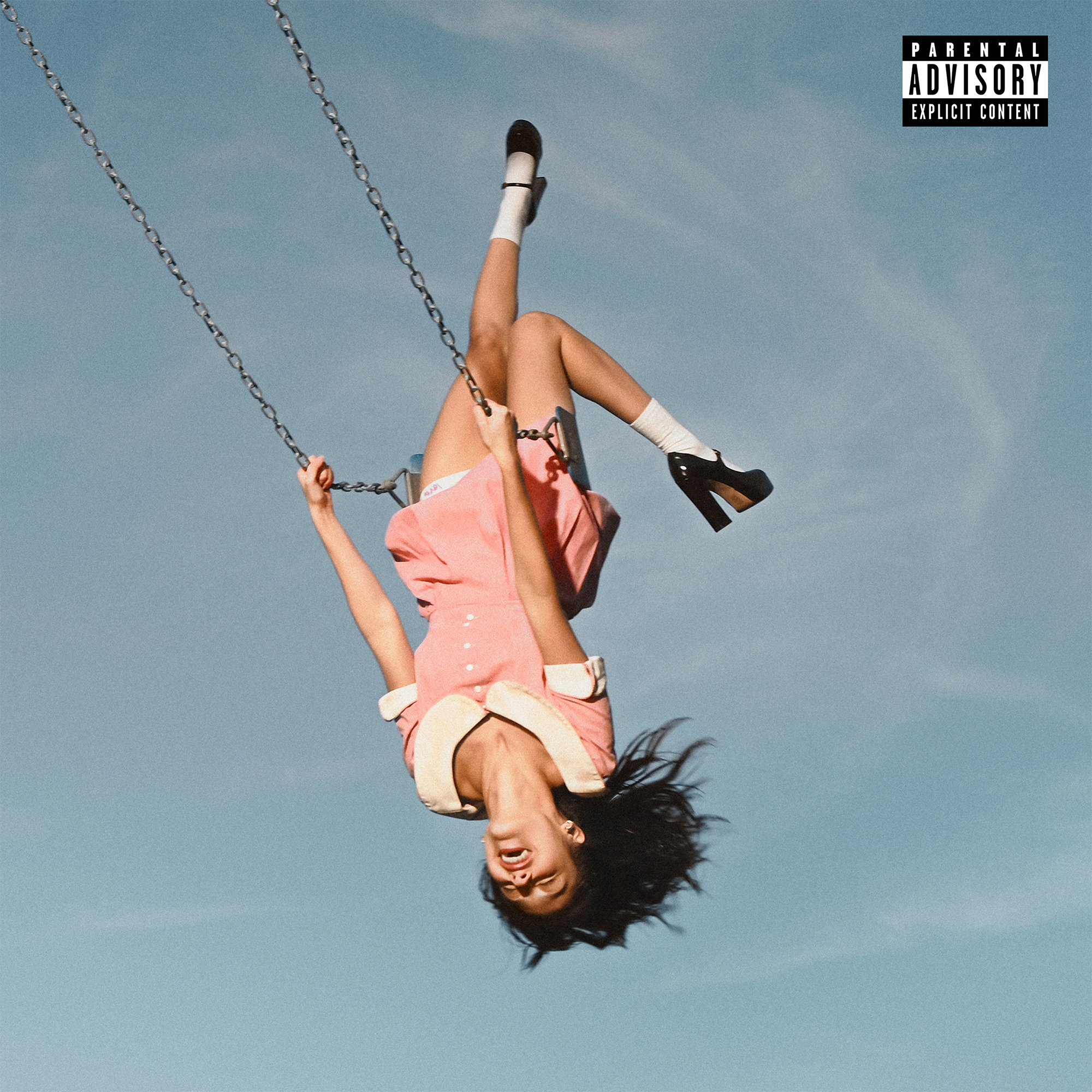
you seem pretty sad for a girl so in love | Olivia Rodrigo
Olivia Rodrigo is an artist I’m hesitant to glaze too much. Not because I think her work is bad or undeserving of the critical and commercial success it’s obtained, but more because I’m maybe too hyper aware of my position as a 27-year-old guy intruding into the space of an artist whose work is clearly aimed at teenage girls. At a certain point though, you have to grapple with how living in a patriarchal society has warped your ability to engage with art aimed at teen girls and admire the craft present. With this record, it’s hard to deny that Rodrigo has proven herself to be one of the best pop-rock songwriters of her generation. Part of my love of her work stems from her clear reference and admiration of some of my favorite artists. She’s been open in the past about her love of Riot Grrrl acts like Bikini Kills and toured with Kim Deal’s band The Breeders as an opener. Sonically, this record is clearly indebted to the 80’s New Wave, as evidenced by both its lyrical references to The Cure and its actual collaboration with that band’s frontman Robert Smith. There’s also a lot of inspiration drawn from 90’s dream pop acts like The Sundays and The Cranberries on tracks like “u + me = <3” and “maggots for brains.” Even that feels like a simplistic description for a record that delves into so many different sonic palettes of the 90’s alt-rock past. From the nervy, No Doubt-coded “my way” to the emotive balladry of “the cure,” Rodrigo has a crafted a record that truly takes you on a sonic journey as it charts the course of a relationship from its love-addled beginnings to its heartbroken conclusion.
In many ways, this record is Rodrigo’s best work to date. I really enjoyed her previous record, GUTS, but you seem pretty sad for a girl in love is easily her most accomplished work from a production and lyrical standpoint. Her exploration of new sonic territory with her consistent collaborator Dan Nigo is one thing, but her pension for spine-tingling vocal harmonies and bridges, soaring courses, and emotive vocal performances reach new highs here. Compare the bubble gum, star struck vocals of lead single and album opener “drop dead” and the devastating closer “cigarette smoke” and tell me that Rodrigo’s background in acting hasn’t given her incredible emotional range. My only real complaint about the record is that I think it could be a tad shorter. In particular, the placement of “expectations” as the penultimate track kind of bothers me. I understand wanting to lighten the mood before the closer, but for me it ruins the emotional arc of the record. This slight lack of brevity is the one area of the record that feels like a slight downgrade from its predecessor, but not a big enough one to tank my appreciation of her craftsmanship here.
As always, thanks for reading.